How to Trust the Thing You Already Know
Most people asking how to trust their intuition can already describe exactly what it said. The difficulty is not hearing it. The difficulty is acting without a second opinion.
· Angela Bolton
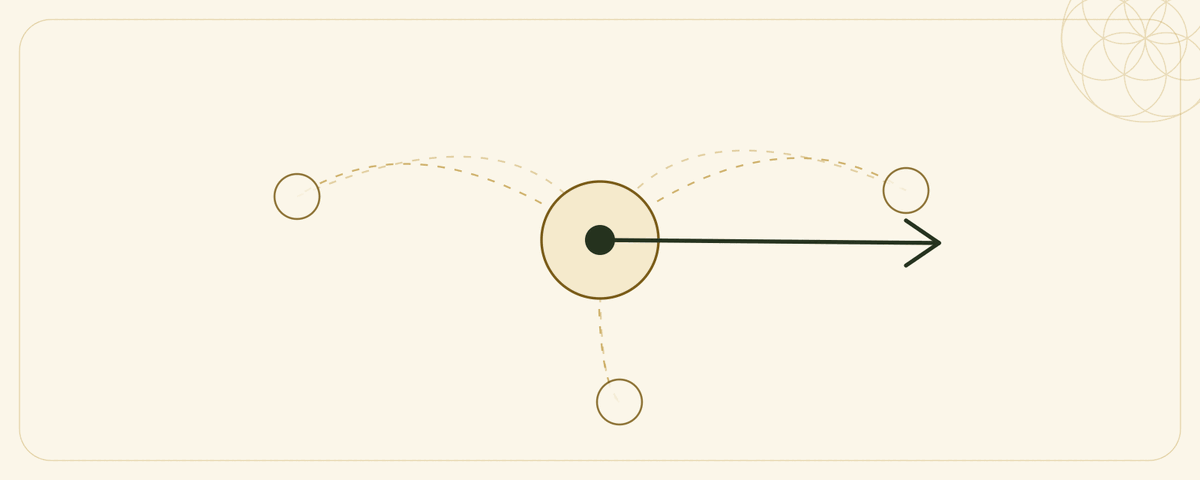
Notice the shape of the question. It is almost never "I get nothing." It is "I knew, and then I asked four people, and then I did the thing they said, and then it went the way I originally thought it would." The signal was present and legible. What was missing was the willingness to be the last authority on it.
That habit is usually learned honestly. If your read on a situation was once treated as an overreaction, or a mood, or a thing to be managed, then checking it against someone else first is not a character flaw — it is a strategy that worked. It is just expensive now, and it has started to cost you the one thing you were trying to protect.
It is also worth naming what makes readings genuinely unreliable, so that self-trust does not turn into stubbornness. Fear speaks in urgency and wants a decision immediately. Knowing tends to be quieter, is usually already there before you asked, and does not get louder when you slow down. Those two feel different in the body, and telling them apart is a practice rather than a belief.
None of this is something a practitioner can hand you. If I tell you what your intuition means, I have replaced one external authority with another and left the actual problem exactly where it was.
Where this usually starts
One honest hour with what is actually here. The Recalibration is a single 60 minutes — the Golden Light is the field it moves through, and you do not choose the tool before you arrive. It is the door most people come through, and it commits you to nothing beyond the hour.